

Can You Actually Improve Your Eyesight as You Age?
Most people assume that vision loss is just part of getting older.
You hit your 40s or 50s, reading gets harder, screens feel more tiring, night driving becomes uncomfortable, and the default explanation is simple:
This is what aging looks like.
But that assumption isn’t entirely accurate.
While it’s true that aging affects the eyes, research shows that how your eyes age is not fixed. In many cases, changes in vision are influenced by oxidative stress, circulation, nutrient availability, and cumulative strain. Those are factors you can influence.
So the real question isn’t whether aging affects eyesight, it’s whether decline is inevitable.
The answer is more nuanced and more hopeful than most people realize.
What Actually Changes in the Eyes as You Age
To understand what’s possible, it helps to understand what’s happening biologically.
The eyes are one of the most metabolically active and environmentally exposed organs in the body. Every day, they’re exposed to light, oxygen, screen glare, pollutants, and internal metabolic byproducts.
Over time, several things tend to happen:
-
Oxidative stress increases
Light exposure and oxygen generate free radicals in eye tissue. Without adequate antioxidant defense, these free radicals can damage the retina, lens, and macula. -
Ocular circulation declines
Blood flow to the small vessels that nourish the eyes becomes less efficient with age, reducing oxygen and nutrient delivery. -
Protective pigments decline
Compounds like lutein and zeaxanthin, which help filter damaging blue light and protect the macula, naturally decrease if they aren’t replenished. -
Cumulative strain adds up
Decades of close-up work, screen exposure, and artificial lighting create chronic stress on the visual system.
These changes don’t happen overnight. They accumulate quietly, which is why many people don’t notice them until vision starts to feel noticeably different.
Why “You Can’t Improve Vision” Is an Oversimplification
There’s an important distinction most people never hear:
You may not be able to reverse structural damage like severe macular degeneration or advanced cataracts without medical intervention.
But many age-related vision complaints are functional, not purely structural.
That includes things like:
-
Blurry or fluctuating vision
-
Eye fatigue
-
Difficulty focusing
-
Reduced contrast sensitivity
-
Trouble with glare or night vision
These issues are often tied to oxidative stress, inflammation, and nutrient depletion, not permanent damage.
Which means they’re not necessarily fixed in stone.
Supporting eye health doesn’t mean “curing” aging eyes.
It means slowing decline, improving resilience, and optimizing how well your eyes function with age.
The Role of Oxidative Stress in Eye Aging
The eye is uniquely vulnerable to oxidative damage.
Unlike many other tissues, it’s constantly exposed to light and oxygen at the same time. That combination accelerates free radical formation, especially in the retina and macula.
If antioxidant defenses are insufficient, oxidative stress can damage:
-
Retinal cells
-
The lens
-
Macular tissue
This is why antioxidant support is one of the most consistently studied areas in eye health research.
Not because antioxidants are trendy, but because the eye needs them.
Circulation Matters More Than Most People Think
Healthy vision depends on healthy blood flow.
The tiny blood vessels that supply the eyes deliver oxygen and nutrients while removing metabolic waste. When circulation declines, eye tissues become more vulnerable to damage and slower to recover from strain.
Reduced ocular circulation has been linked to:
-
Age-related vision changes
-
Increased risk of macular degeneration
-
Slower adaptation to light and dark
Supporting circulation isn’t just about heart health. It’s about giving the eyes what they need to function optimally over time.
Why Nutrient Density Declines With Age
Even people who eat well can become nutrient-deficient over time.
As we age:
-
Absorption efficiency declines
-
Oxidative demand increases
-
Certain nutrients are depleted faster
Key nutrients involved in eye health, including specific antioxidants, vitamins, and minerals, are often under-consumed or poorly absorbed, especially in older adults.
This creates a gap between what the eyes need and what they’re actually getting.
So… Can You Improve Your Eyesight?
The honest answer is this:
You may not restore your eyes to how they were at 20. But you can meaningfully support how they function, how they handle stress, and how well they age.
Many people notice improvements in:
-
Visual clarity
-
Eye comfort
-
Focus endurance
-
Resistance to strain
-
Overall confidence in their vision
Those improvements don’t come from one magic fix. They come from supporting the underlying biology of the eyes.
Where Eye Max Fits In
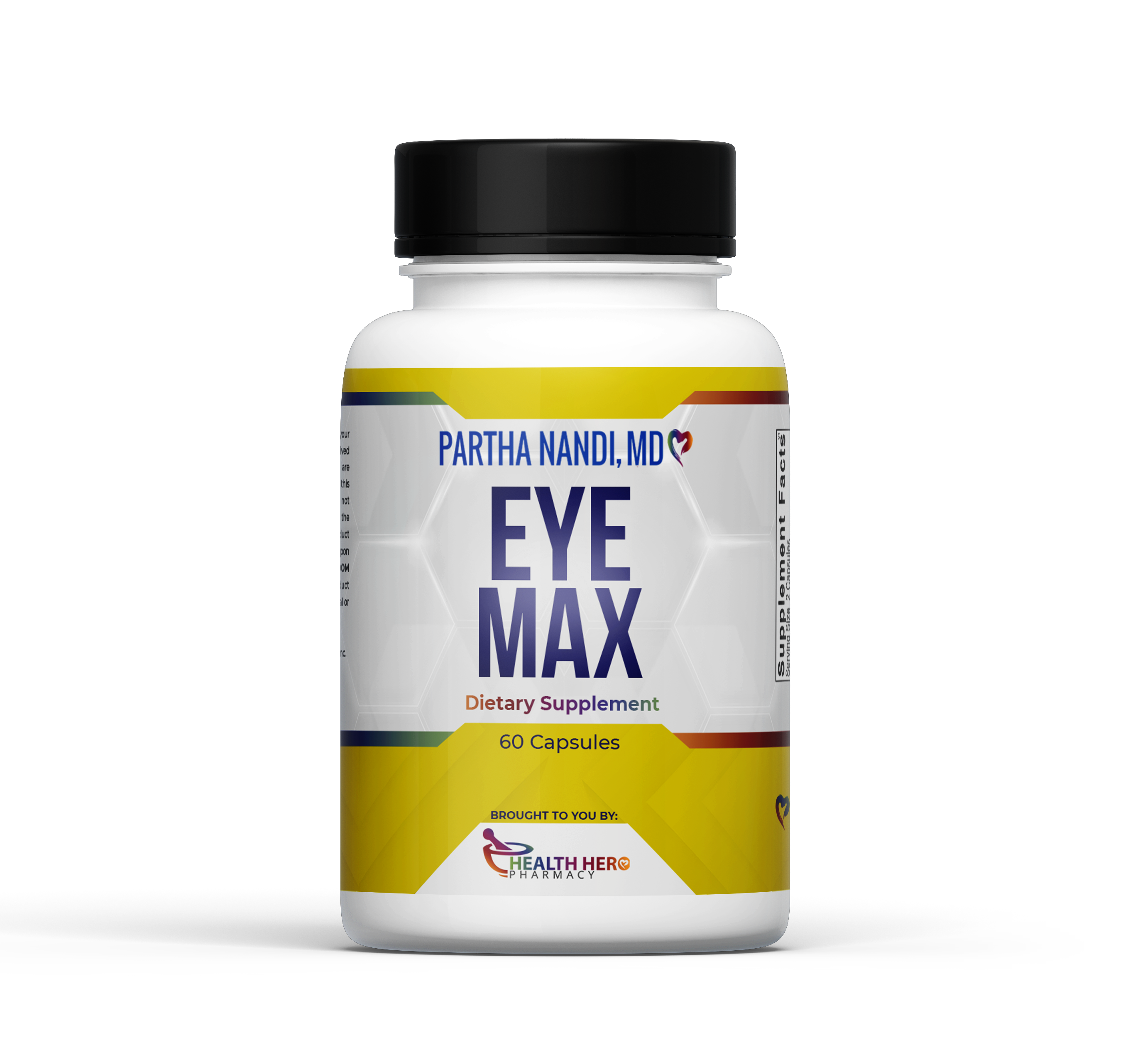
Eye Max was formulated for this exact purpose.
Rather than promising unrealistic outcomes, it focuses on the factors that research consistently links to long-term eye health, such as:
-
Antioxidant protection to help neutralize free radicals generated by light exposure and oxygen
-
Support for macular health, which plays a central role in clear, detailed vision
-
Improved ocular circulation, helping deliver nutrients where they’re needed most
-
Targeted nutrients shown in research to support eye tissue resilience over time
This isn’t about replacing eye exams or medical care. It’s about giving your eyes the nutritional support they often don’t get enough of, especially as you age.
Want to see why people are turning to Eye Max for eye support as they age? Click below to learn more about Eye Max and read verified buyer reviews.
